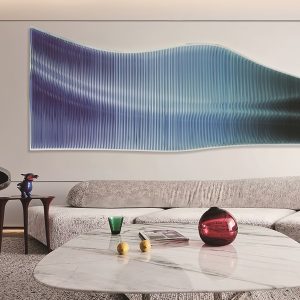


Art is a form of human expression that has been used for centuries. From cave paintings to digital installations, artists have continually sought ways to convey ideas, feelings, and perspectives. Among the numerous styles and movements, two of the most debated and fascinating approaches are abstract and figurative art. These two directions highlight the contrast between representation and imagination, yet both continue to inspire audiences worldwide. Let’s make a detailed comparison of abstract vs. figurative art for a better understanding.
What is Figurative Art?
At its core, figurative art is about representation. It aims to depict people, objects, or environments in a manner that relates to real life. This does not mean that the art must be realistic. Artists are free to distort or exaggerate forms while keeping them recognizable. A figurative painting could portray a person, an urban landscape, or a dramatic scene. Although it may be bold or shown from unusual angles, the subject remains identifiable.
Figurative styles are a common means of storytelling for artists. A historical battle scene, a family portrait, or a still life of fruits all fall under this category. The familiarity of the subject allows viewers to connect immediately with the artwork, making it one of the oldest and most enduring artistic traditions.
What is Abstract Art?
In contrast, abstract art follows a very different path. It is not based on representation but emphasizes expression through colors, lines, textures, and shapes. The goal is not to replicate reality but to evoke emotion or provoke thought. While a figurative work might depict a field of sunflowers, an abstract painting could use swirling strokes of yellow and green to convey energy, warmth, or chaos.
Artists often describe abstraction as a form of freedom. It removes the rules of proportion and perspective, allowing room for experimentation. An abstract artwork may appear as nothing more than intersecting lines or geometric figures, yet within that apparent simplicity lies movement and depth.
Abstract vs. Figurative Art: Detailed Comparison
Check out the table below to understand the core differences between abstract and figurative art.
Aspect | Figurative Art | Abstract Art |
Definition | Represents real objects, people, or scenes in recognizable form. | Focuses on colors, shapes, and forms without direct representation. |
Subject Matter | Based on reality—portraits, landscapes, or daily life. | Derived from imagination, emotions, or concepts. |
Goal | To depict the world in a way viewers can identify. | To evoke feelings and ideas without clear subjects. |
Techniques | Relies on proportion, detail, and realistic depiction. | Uses distortion, simplification, and free expression. |
Viewer Experience | Immediate connection through recognizable subjects. | Open to personal interpretation and emotional reaction. |
Historical Roots | Strong in classical and Renaissance traditions. | Gained prominence in the 20th century with modernism. |
Examples | Leonardo da Vinci’s Mona Lisa, Michelangelo’s David. | Works by Wassily Kandinsky, Jackson Pollock, or Mark Rothko. |
Classical Examples and Influence of Figurative Art
Many art lovers still gravitate toward figurative works for their accessibility. Figurative art prints are especially popular because they allow collectors to enjoy high-quality reproductions of original works. Whether it’s a portrait, a landscape, or a symbolic composition, art prints let people appreciate expression without purchasing expensive originals.
A portrait of a well-known leader or a night cityscape instantly appeals to viewers. This emotional connection makes figurative art suitable for home décor, museum exhibitions, and even corporate spaces.
The figurative tradition has produced some of the most renowned masterpieces in history. From Michelangelo’s David to da Vinci’s Mona Lisa, the enduring power of figurative art lies in its ability to communicate the human condition. These works demonstrate how detail, gesture, and expression can transcend centuries and continue to speak to audiences today.
Figurative styles have also shaped many cultural movements. From Renaissance realism to modern social commentaries, this approach remains timeless for its capacity to capture human stories.
Non-Figurative Art
While figurative art focuses on representation, non-figurative art takes the opposite approach. This style avoids recognizable subjects and concentrates on form, color, and composition. By removing the anchor of visible imagery, non-figurative works invite viewers to engage on an emotional or intellectual level rather than through direct identification.
This movement has influenced many modern and contemporary artists who seek to defy conventions. Although such works may seem simple, they often conceal intricate ideas or profound social commentary.
Disintegration of the Core Difference: Abstract vs. Figurative
The distinction between abstract and figurative art ultimately comes down to visibility and intention. Figurative pieces illustrate what we already know, whereas abstract works challenge us to feel without seeing. Figurative art is rooted in the external world, while abstraction is often internalized.
There is no superiority between the two, and many contemporary artists combine both. For instance, a painter might begin with a recognizable figure and then distort it with abstract strokes to strike a balance between form and imagination.
Drawing and Painting Beyond Reality
In recent decades, artists have adopted experimental approaches that go beyond traditional canvases. For example, an abstract drawing might use unconventional tools—such as charcoal smudges or digital brushes—to express raw emotional energy. Meanwhile, painting allows for richer textures and layered compositions. In abstract painting, color itself becomes the subject, as artists explore harmony and contrast instead of depicting familiar scenes.
These forms are not limited by technical constraints. They encourage viewers to engage personally, whether through feelings of peace, confusion, joy, or tension.
Conclusion
Art thrives on contrast. Figurative traditions keep us grounded in the world we know, while abstract explorations invite us to see beyond it. Both have shaped history, influenced culture, and inspired generations of creators. These art forms express the endless complexity of human thought and emotion. Whether you prefer one or the other, both can enhance the beauty of your space.