

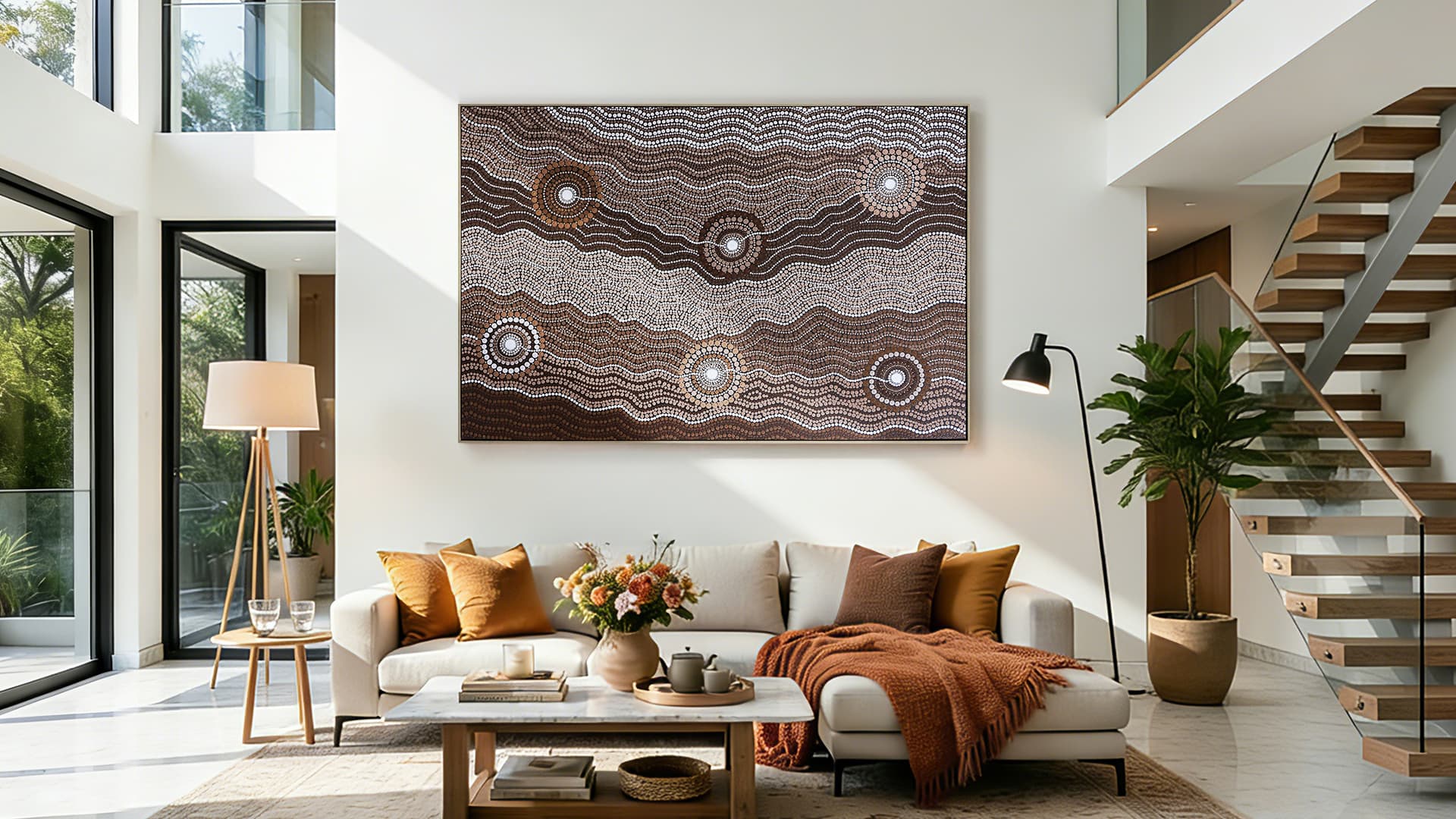
Large artwork has the power to instantly transform a room. A well-chosen statement piece fills empty wall space, infuses personality, and establishes critical visual balance. In interior design, selecting the perfect large wall art is not merely a matter of picking a piece you find visually appealing; it requires careful consideration of scale, style, placement, and contextual harmony within the room.
When these elements are thoughtfully balanced, wall art evolves from a basic decorative accent into a defining focal point that elevates the room’s overall ambiance and design cohesion. This guide breaks down how to choose large wall art for interior spaces while maintaining proper proportion, harmony, and intentional visual impact.
1. Understanding Scale and Size
Scale is the single most critical factor when selecting large wall art. Oversized artwork can overwhelm a room if poorly proportioned, while pieces that are too small may appear insignificant or lost against expansive wall surfaces.
1.1 The Two-Thirds Furniture Rule
A foundational interior design guideline is the two-thirds rule. The total width of the artwork (or multi-panel set) should measure roughly 60–75% of the width of the furniture beneath it.
For example, if a sofa is 84 inches wide, the ideal art width falls between 56–63 inches. This rule is especially effective for large wall art in living rooms: a properly sized piece above the sofa anchors the entire seating area and lends a polished, finished look to the wall.
1.2 Filling an Empty Wall
When decorating a completely blank wall, aim to cover 60–75% of the available wall surface area with your artwork. This approach ensures the piece feels intentional and purposeful, rather than floating awkwardly in a vast, empty space.
Designers often classify this impactful style as large-scale wall art; it is a statement piece designed to draw attention while fitting comfortably within the room’s overall proportions.
1.3 Horizontal vs Vertical Orientation
The shape and dimensions of the wall directly dictate the ideal artwork orientation. Wide, shallow walls pair perfectly with large horizontal wall art, which visually expands the room and complements long furniture pieces like sofas, dining tables, or console tables.
Tall, narrow walls, by contrast, are best suited to vertical compositions or stacked multi-panel arrangements, which draw the eye upward and balance the wall’s vertical height without feeling cramped.
2. Choosing the Right Style for Your Interior
Once you’ve locked in the correct size, the next step is selecting a style that aligns with your room’s design theme, color palette, and desired mood. Art should complement existing decor while adding a unique, personal accent rather than clashing with the space’s existing aesthetic.
2.1 Abstract and Modern Styles
Most contemporary interiors rely on bold statement pieces like large abstract wall art. These works often feature striking color palettes, expressive shapes, and fluid compositions that infuse a room with energy and creative character.
Similarly, large modern and contemporary wall art are top choices for minimalist homes, as these pieces emphasize clean lines, subtle textures, or geometric forms that align seamlessly with sleek modern architecture and understated decor.
2.2 Material-Based Art
Artwork materials drastically alter its visual impact and how it integrates with a space. For instance, large framed wall art delivers a polished, classic finish, making it ideal for traditional or transitional interiors; frames also define the artwork’s boundaries and help it blend with other decorative elements.
More sculptural options, such as large metal wall art, introduce tactile texture and three-dimensional depth, perfect for industrial or modern spaces. Meanwhile, large textured wall art adds layered depth via visible brushstrokes, mixed media, or woven surfaces.
A particularly striking choice is large 3D wall art, which protrudes from the wall and creates dramatic shadows and dynamic visual movement that flat artwork cannot replicate.
2.3 Theme-Based Styles
Art themes directly shape a room’s emotional mood. Large coastal wall art typically features serene ocean scenes, soft blue and sand tones, and beach-inspired imagery, making it perfect for relaxed, casual, or seaside-themed interiors.
Large landscape wall art brings the calm of nature indoors, fostering a sense of tranquility and spaciousness. For vintage or retro-inspired spaces, large retro wall art adds nostalgic character with mid-century graphics, bold nostalgic colors, or vintage typography.
3. Matching Art with Different Rooms
Not all large wall art works universally across every room; a piece’s suitability depends on the room’s function, traffic flow, and intended atmosphere. Tailor your choice to the space’s unique purpose for the most cohesive result.
3.1 Living Room
As the home’s primary gathering space, the living room calls for artwork that acts as a focal point without overpowering the surrounding decor. Designers universally recommend bold statement pieces — such as large modern or abstract wall art — hung above the main sofa. These styles add personality, spark conversation, and tie the room’s entire color palette together seamlessly.
3.2 Dining Room
The dining room benefits from artwork that enhances a warm, social, and inviting atmosphere for meals and gatherings. Large wall art for dining spaces elevates the room’s elegance and makes the decor feel intentional and curated.
Multi-panel sets like large 3-piece wall art are exceptionally well-suited to dining rooms, as they stretch horizontally across the wall and visually connect the dining table to the surrounding space.
3.3 Additional Spaces
Hallways, bedrooms, and entryways also gain immense character from statement large wall art. For homeowners working within a budget, high-quality affordable large wall art is readily available; it’s possible to achieve bold visual impact without overspending on decor.
4. Proper Placement and Positioning
Even the most stunning artwork will look disjointed or awkward if hung incorrectly. Placement and positioning are equally as important as the art itself in achieving a polished interior design.
4.1 Eye-Level Placement
The center of the artwork should be positioned 145–155 cm (57–61 inches) from the finished floor, a standard measurement that aligns with the average adult eye level.
4.2 Distance from Furniture
4.3 The Tape Test Method
Before drilling mounting holes, designers universally recommend the tape test: use low-tack painter’s tape to outline the exact dimensions of the artwork (or multi-panel set) on the wall. This simple trick lets you visualize the piece’s scale and placement in real time, confirming the size and position feel perfect before permanent installation.
5. Creating Harmony with Color and Mood
Artwork should enhance a room’s emotional atmosphere, never clash with it. A key interior design principle to follow is the 70/30 rule: roughly 70% of the room’s decor should adhere to the main design aesthetic, while the remaining 30% can include bold accent pieces like statement art.
For example, a neutral-toned room can gain vibrant contrast from a bold large contemporary wall art piece, without the art overwhelming the space’s calm base. Conversely, serene, quiet interiors pair beautifully with soft landscapes or coastal-themed art.
Textures and materials also shape mood: sculptural textured art adds warmth and tactile depth, while sleek metal designs lend a refined, modern edge. Always tie the art’s color palette and texture back to the room’s existing finishes for seamless harmony.
Single Large Piece vs. Multi-Panel Sets: Which to Choose?
Many designers and homeowners debate whether a single large artwork or a grouping of smaller pieces works better for large walls. In most cases, a single large statement piece creates a cleaner, more streamlined, and intentional look — it avoids the cluttered, scattered feel that can come with a random collection of small frames.
Multi-panel options (like 3-piece sets) offer the best of both worlds: they deliver the commanding scale of a large piece while adding rhythmic visual flow across wide wall surfaces that a single canvas cannot match.
Conclusion
Selecting the right large wall art involves far more than choosing a visually appealing piece; it requires intentional attention to scale, style, placement, and overall harmony with the room’s existing design.
Start by calculating the perfect size using the two-thirds furniture rule and empty wall coverage guideline; next, select a style that matches the room’s mood and aesthetic (abstract, textured, coastal, retro, or modern); finally, hang the piece at standard eye level with proper spacing above furniture. When executed thoughtfully, the right large wall art transforms an ordinary space into a polished, curated interior with lasting visual appeal.
