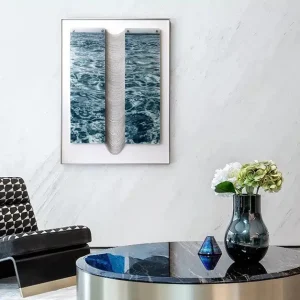

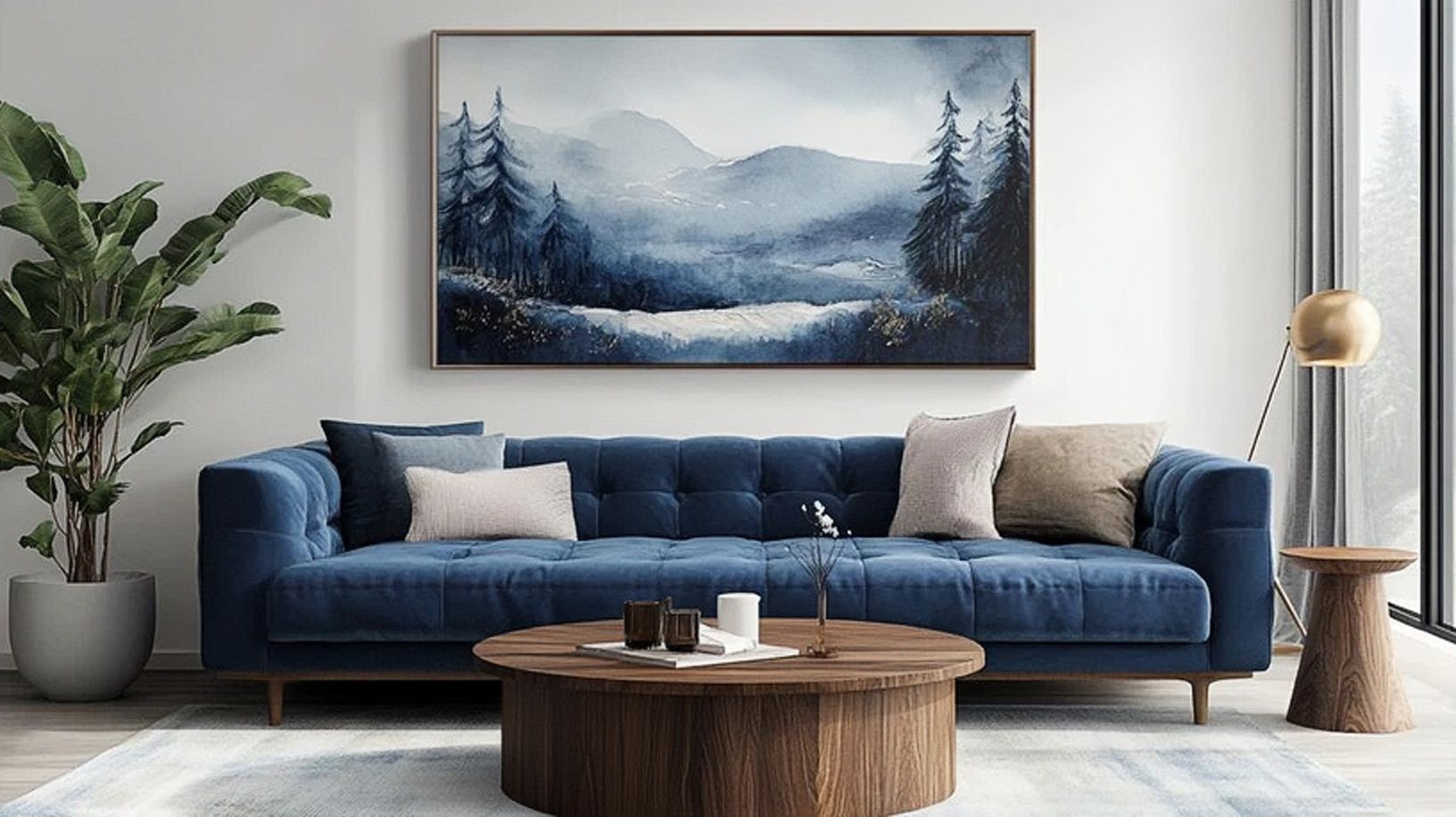
In modern homes and commercial spaces, wall art is more than just decoration; it also serves as a powerful means of expressing personality, creating atmosphere, and conveying brand identity. Whether in hotel lobbies, offices, or high-end residences, artwork enhances visual appeal, evokes emotional resonance, and can even influence moods and attitudes.
Among the diverse artistic styles available, what unique qualities do abstract art, minimalism, and pop art each offer? And how should we select the most suitable wall art style for our projects or clients when faced with different spatial requirements?
Abstract Art: The Free Expression of Emotion
Abstract art breaks away from traditional art’s reproduction of reality. Rather than depicting concrete objects, it conveys inner emotions and spiritual realms through elements such as bold color contrasts, dynamic line rhythms, and irregular shapes.
Mondrian’s Composition with Red, Yellow, and Blue features black vertical and horizontal lines dividing the canvas into rectangles of varying sizes, with the primary colors red, yellow, and blue set against a white background. This creates a composition that appears simple yet brims with tension, as if one can sense the rhythm of colors pulsing through the space.
The charm of abstract art lies in its openness and ambiguity, allowing each viewer to derive different emotions and meanings from it. For this reason, it is particularly suitable for creating spaces that are modern, dynamic, and spiritually profound, such as high-end clubs, designers’ offices, or corporate lobbies, helping to establish a visual environment with depth and intellectual resonance.
Minimalism: The Elegant Philosophy of "Less is More"
For those who prefer a refreshing, serene, and organized space, minimalist wall art is the ideal choice. Minimalist style advocates “stripping away the superfluous to retain the essential,” using clean, crisp lines, limited and restrained colors, and thoughtfully designed negative space to cultivate a sense of order and balance.
An example is Donald Judd’s metal cube sculptures, whose cool metallic texture and precise geometric forms may lack decorative excess but still exude a commanding presence through their simplicity.
Minimalist art is suitable for interior styles such as Scandinavian, Japanese, or modern styles. It is especially effective in smaller spaces or environments that require a sense of visual extension, as it creates a more spacious, breathable atmosphere.
Pop Art: The Collision of Colors and Attitudes
Do you remember Andy Warhol’s Marilyn Monroe series? That is a classic example of Pop Art. Originating in Britain and the United States in the 1950s, Pop Art is known for its bold color schemes, repetitive imagery, and strong visual impact. It often incorporates elements of popular culture, consumerism, and social commentary, conveying bold personalities and reflecting the spirit of the times.
If you’re aiming for a space that is vibrant, full of fun, or even has a touch of humor and rebellious spirit, Pop Art will be an excellent choice. It is particularly well-suited to young people’s bedrooms, creative studios, café walls, or public areas, creating a fashionable and eye-catching focal point.
How to Choose the Right Wall Art Style?
When selecting wall decor, you can start with the following considerations:
- Functional positioning of the space: Choose styles based on the function of different spaces. For example, minimalism is suitable for bedrooms or high-end office buildings, abstract art works well in living rooms or reception areas, and Pop Art is more appropriate for young people’s workspaces or public areas.
- Overall color coordination: The main colors of artworks should harmonize with the overall spatial design, including walls, furniture, and floors, to avoid abrupt clashes.
- Brand identity and audience preferences: Especially for commercial spaces, artistic styles need to serve the brand positioning and enhance emotional connections and brand identity among target customers.
- Combined application: For multifunctional areas or large spaces, consider integrating multiple styles through “mixed media wall art” or “wall art collages,” creating a unique and visually layered narrative.
Conclusion
Whether you’re an interior designer, real estate developer, or commercial space manager, the artistic style you select will significantly influence visitors’ first impressions and shape the perceived quality of the space. By applying artistic styles accurately and strategically, you can not only enhance the aesthetic value of the project but also boost the commercial value of the space, achieving a win-win situation in both visual impact and business returns.
We offer professional wall art solutions across various styles, and support end-to-end customization from design to production. If you are seeking the perfect integration of art and space, please feel free to contact us to embark on your unique artistic space journey.