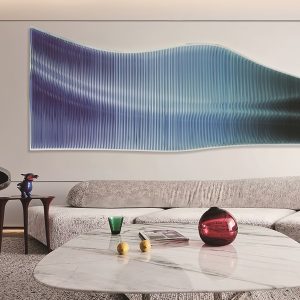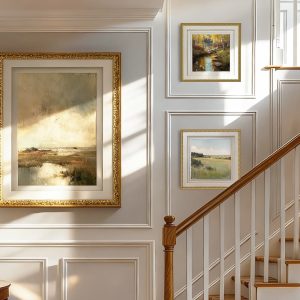

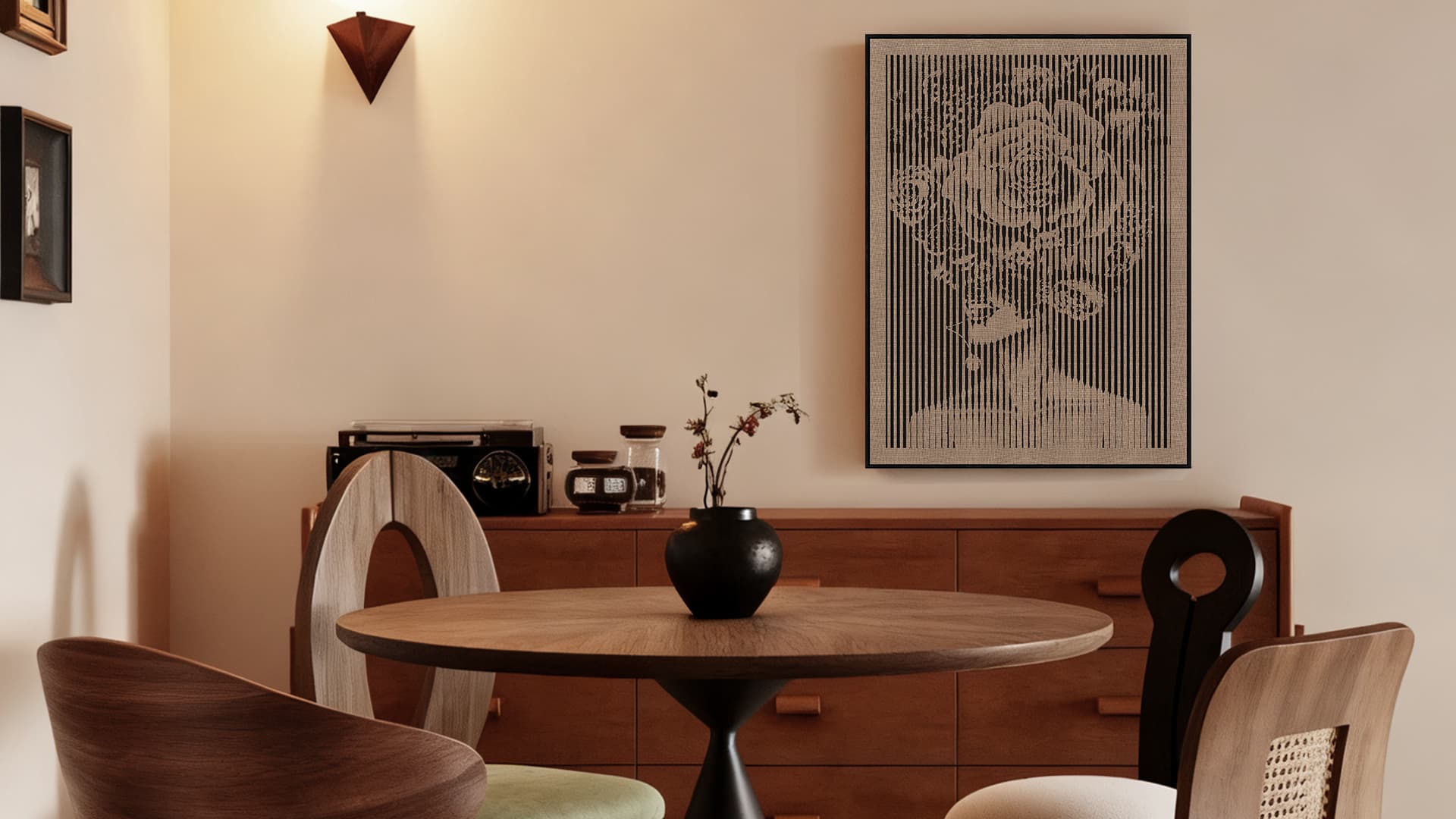
In a society where perfectionism and symmetry are commonly hailed, wabi-sabi abstract wall art presents an entirely different vision, one that appreciates imperfection, genuineness, and the beauty of nature. The wabi-sabi style of art is based on a Japanese philosophy that values the imperfect, the old, and the raw as expressions of time and reality. In home decor, such an aesthetic creates a sense of serenity, groundedness, and authenticity, a stark contrast to the polished artificiality of mass-produced designs.
Wabi-sabi pieces add soul to modern interiors with the use of rough brushwork, impasto textures, and handcrafted details. ADS is one of the best places to get your desired art pieces, we offer everything from dimensional art to wall décor and more. Keep reading to know how these wabi-sabi aesthetics can bring a timeless charm to your home.
The Essence of Wabi-Sabi Aesthetics
Wabi-sabi aesthetics are closely connected with the Japanese appreciation of impermanence. They do not conceal imperfections but instead celebrate them. Cracks in pottery, the roughness of brushstrokes, and the discoloration of pigments all tell a story. This school of thought cherishes minimalism, simplicity, and organic beauty.
In the case of wabi-sabi wall decor, a sense of harmony is achieved. Both artists and collectors appreciate how each rough line or distressed finish renders a piece unique. The textures are reminiscent of nature’s raw stone, clay, and weathered wood, and the muted tones reflect the quietness of a morning mist. Wabi-sabi teaches us that imperfection is not a flaw in beauty; rather, it defines beauty itself.
The Rise of Wabi-Sabi Abstract Wall Art in Modern Interiors
Wabi-sabi abstract wall art has the charm of being both minimalistic and emotional. With contemporary homes embracing clean lines and open designs, this type of art brings coziness, warmth, and vitality to a space without overwhelming it.
Modern homeowners are moving away from glossy prints and flawless symmetry. Instead, they are choosing wabi-sabi textured wall art, where imperfect lines and natural hues add a sense of authenticity. These artworks integrate seamlessly with both modern and rustic interiors, fostering mindfulness and calm—whether in a minimalist apartment or a bohemian studio.
Yet, oversized wabi-sabi wall art maintains an understated style; it doesn’t demand attention. Instead, it draws it through its quiet presence and emotional resonance.
Textures That Tell a Story
The wabi-sabi art style places a strong focus on texture. Every surface carries meaning, it might suggest erosion, motion, or the soft impressions of creation. Impasto texture is often achieved by applying thick layers of paint with knives or brushes to create volume. This technique allows light to interact with the ridges and grooves, producing a living surface that changes with the time of day.
Similarly, handmade texturing methods such as scratching, pressing, and layering natural pigments make every piece unique. These techniques reject mechanical precision and instead embrace organic movement, which is imperfect yet alive. Wabi-sabi artwork is tactile by nature, adding depth to the experience; you do not only see it, you also feel it.
Natural and Muted Color Palette
The wabi-sabi design ethos is nature-inspired colors, i.e., think earthy brown, gentle white, faded greys, warm beiges, and sometimes deep blues or greens. These hues resemble natural substances like clay, sand, and stone. The lack of sharp contrasts creates a feeling of tranquility and gives the mind a moment of rest.
This palette helps establish a sense of balance in wabi-sabi wall decor. The aged and muted colors are timeless and pair beautifully with neutral furniture and natural materials such as wood or linen. Every color is grounded and meaningful; nothing feels forced or artificial.
The Strength of Oversized Wabi-Sabi Wall Art
Oversized wabi-sabi wall art serves as a fascinating focal point in open or minimalist spaces. Large artworks captivate through their simplicity, allowing textures and flaws to shine.
In such pieces, subtle tonal variations and layered impasto textures often recall landscapes, horizons, or abstract organic forms. Placed in entryways, living rooms, or above a bed, large wabi-sabi wall art turns empty walls into meditations on artistic philosophy. These works do not dominate the space; they inhabit it gracefully, maintaining humility despite their size.
Ideal for Living Spaces that Treasure Peace
The living room is not only a place of entertainment in a contemporary house, but also a space for escapism. The wabi-sabi wall art brings emotional harmony and visual comfort through its soft tones and natural flow in living room decor. These pieces are in great harmony with low-key furniture, plain wood, and natural materials.
An abstract wall art piece with wabi-sabi qualities can completely transform a living space when paired with rough fabrics or muted lighting. It links the observer to stillness and imperfection—elements that help us relax and savor the moment.
To create a really harmonious place:
- Do not overcrowd the environment so that the art can breathe.
- Mix textures such as clay pots, linen throws, and woven baskets.
- Use warm, diffused lighting to highlight the handcrafted texture of the piece.
Wall Decoration Wabi-Sabi Styling
To utilize wabi-sabi wall adornment to its fullest potential, the surroundings in which it is kept must be devoted to its idea: simplicity and authenticity.
- Neutral Foundation: Opt for walls in off-white, stone grey, or beige.
- Natural Elements: Incorporate balance with driftwood, dried plants, or handmade ceramics.
- Minimize Clutter: Keep accessories to a minimum for a clean aesthetic.
- Scale Balance: Offset oversized wabi-sabi wall art with low-profile furniture.
These subtle details foster a cohesive flow, where all imperfections are intentional and striking.