
Bohemian promotes freedom, personalities, and creativity. Boho wall art goes beyond simple decoration. Its ability to blend freedom, creativity, and cultural depth makes it a versatile choice for commercial projects and retail collections alike. Interior designers turn to boho-inspired pieces to deliver experiences, while procurement managers value their timeless appeal that adapts across multiple environments. For retailers, it represents a reliable category with proven consumer demand. Let’s explore everything you need to know about boho wall art.
What is Boho Wall Art?
Boho art is a free-spirited and eclectic style. It blends cultural influences, natural elements, and handcrafted details into creative expression. This type of art often features rich textures, bold patterns, earthy tones, and symbolic motifs like mandalas or tribal designs. Unlike structured styles, boho art celebrates individuality and creativity.
Different Types of Boho Art
Boho art comes in many categories. Each type works best in a specific setting.
Canvas Designs
Boho canvas wall art works best in spaces that need a strong visual impact. Large canvases in earthy colors or abstract styles are perfect for hotel entrances, retail displays, or open living areas.
Framed Pieces
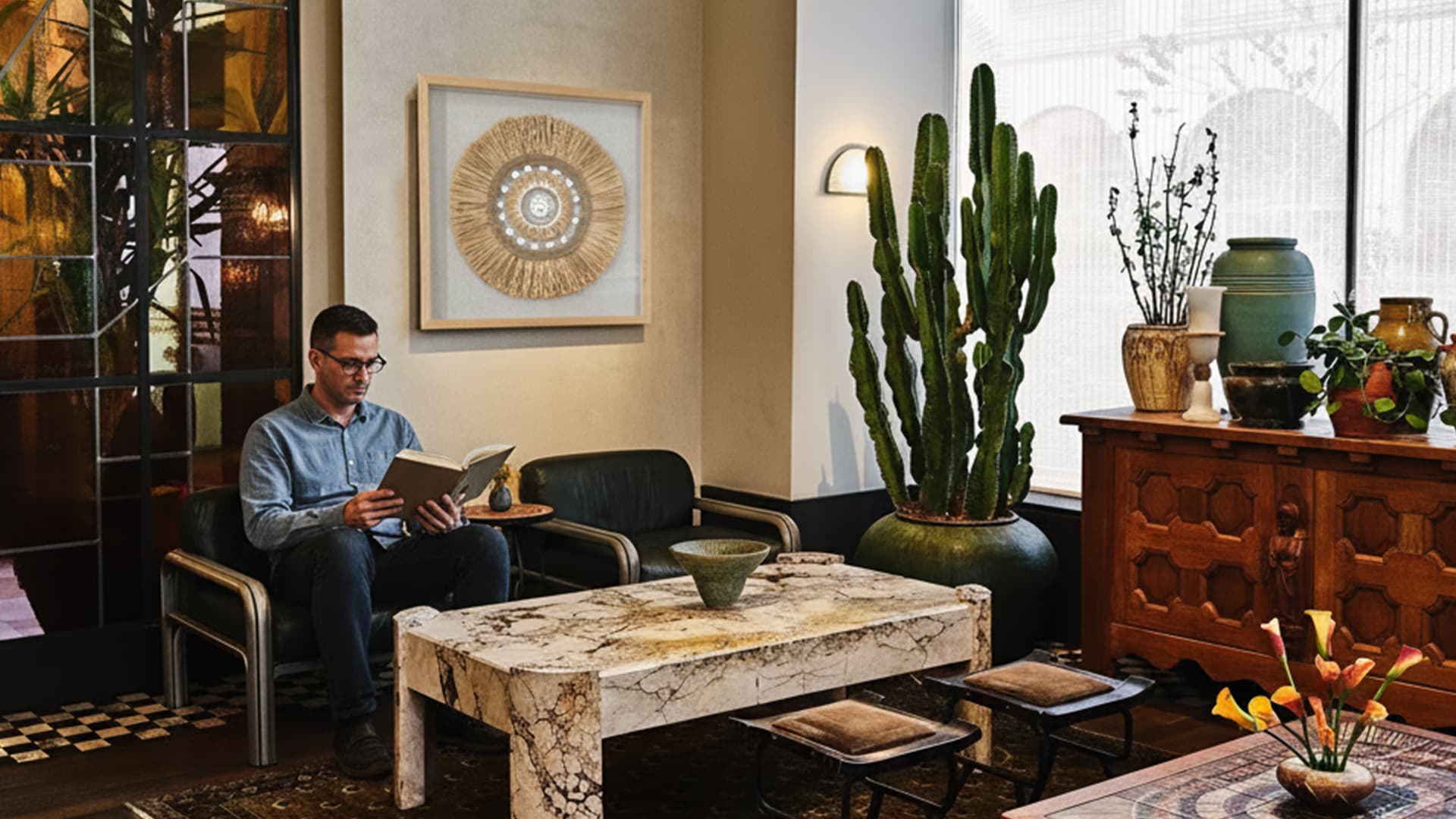
Boho framed wall art gives eclectic designs a clean finish. Wooden or rattan frames provide durability and make the pieces suitable for commercial offices, restaurants, or upscale retail spaces.
Living Room Accents
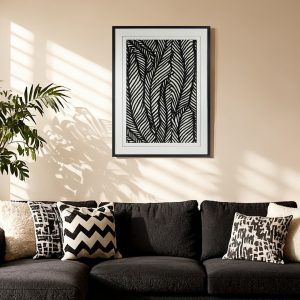
Boho wall art for living rooms often features natural imagery like deserts, sunsets, or botanicals. These designs make homes feel welcoming—and help retailers sell to customers who want comfort and style.
Bedroom Styles
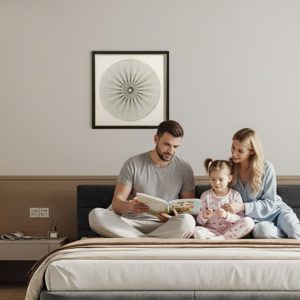
Boho wall art for bedrooms is softer, with calm colors and delicate lines. It works well in hospitality projects where creating a restful atmosphere is essential.
Colorful Options
Colorful boho wall art brings energy to communal areas such as cafés, co-working hubs, or creative studios. Procurement managers often choose these for vibrant, youth-oriented spaces.
How to Decorate a Boho Wall?
Boho decor is a flexible option that works well with planning.
- Layer Textures – Mix macramé with paintings to create depth.
- Mix Scales – Have one large canvas and smaller framed prints balance out.
- Balance Tones – Add cheerful designs to sober rooms, or soothing ones to bustling ones.
- Add Greenery – Plants create harmony with boho wall art.
- Add International Flair – Art inspired by Indian, African, or Native American cultures adds to the Bohemian aesthetic.
These concepts help designers achieve creativity and cohesion. Using such methods ensures walls feel distinctive and engaging, improving guest satisfaction.
Paints Used in Boho Art
Boho art uses several types of paints and techniques. Knowing the options helps buyers choose pieces that last.
Acrylic Paints
Tough and vibrant, popular in boho wall art for commercial spaces.
Watercolors
Soft and light, ideal for boutique hotel bedrooms or residential bedrooms.
Natural Dyes
Plant and mineral-based, eco-friendly pigments that appeal to sustainability-focused audiences.
Mixed Media
Incorporates textures from fabrics, fibers, ink, or paint.
Hotels and restaurants often opt for acrylics or oil paints because they are durable, whereas retailers tend to stock watercolors and natural-dye pieces for home use.
How Boho Art Supports Branding in Hotels and Commercial Spaces?
Branding is essential for hotels, offices, and restaurants. Branding is closely tied to the art chosen for these spaces. Boho designs make brands feel hospitable, fashionable, and current.
Boho canvas wall art in a boutique hotel lobby, for instance, conveys a sense of relaxed creativity. The use of vibrant boho wall art in a restaurant exudes energy and approachability. In co-working spaces, framed boho prints reflect creativity and global influence.
Procurement managers can make spaces memorable by ensuring they align with the brand’s identity.
Case Examples of Boho Art in Use
- Boutique hotels – Use large canvases in earthy tones to create an immersive guest experience.
- Restaurants – Install colorful, vibrant wall art to boost atmosphere and encourage longer stays.
- Retail stores – Display framed boho prints alongside furniture to inspire customers.
- Residential projects – Designers select calm, pastel-toned pieces for bedrooms to promote relaxation.
These examples show the adaptability of boho art across sectors.
Practical Buying and Sourcing Tips
For procurement managers and retailers, sourcing the right boho art requires attention to a few details:
- Look for vendors that offer both framed and canvas options.
- Confirm durability and cleaning needs for commercial projects.
- Seek out handcrafted items to complement upscale interiors.
- Stock a mix of colored and neutral designs to meet client needs.
- Always consider piece size: in large-scale projects, design schemes often revolve around the largest element.
Conclusion
Bohemian design connects freedom with creativity. From living room boho wall art to framed pieces, this style adapts to homes, hotels, offices, and retail environments.
For interior designers, boho art unlocks creative flexibility. For procurement managers, it offers a timeless solution that leaves a lasting impression on guests. For retailers and wholesalers, it provides a steady product line with strong market appeal.
Wall art is more than just decoration: it shapes customer experiences, strengthens brand identity, and enriches any space. Boho pieces that are versatile, durable, and timeless achieve all of this.