
Art always mirrors human perception. Since the earliest cave drawings, artists have used creativity to convey culture, emotions, and ideas through wall art, which has evolved over the years to become smooth and sleek. Organic artwork and traditional decorative art are two of the most popular styles of wall art used in houses and offices today. Although they are both beautiful, their inspirations, styles, and purposes are different. Let’s try to find out the difference between organic artwork and traditional decorative art.
What Is Organic Artwork?
“Study nature, love nature, stay close to nature. It will never fail you.” – Frank Lloyd Wright
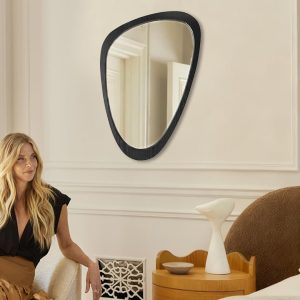
Organic art focuses on forms and designs that are inspired by nature. It does not follow strict lines and structures. Rather, it employs natural curves, flowing lines, and textures drawn from nature. This renders the style cozy, soothing, and close to the earth.
A substyle is organic modern art, which incorporates natural shapes and modern design. It features clean lines, neutral colors, and natural textures. This design is suitable for small houses that do not favor excess.
Another variation is organic art drawing. Artists use pencil, ink, or watercolor to sketch flowing images of plants, waves, or abstractions. These illustrations showcase the fluidity of the style, and they tend to be used in smaller artworks or art journals.
Artists sometimes combine elements of nature with structure to form geometric and organic artwork. The combination of free lines and sharp lines creates contrast and is attractive to those who appreciate both order and freedom.
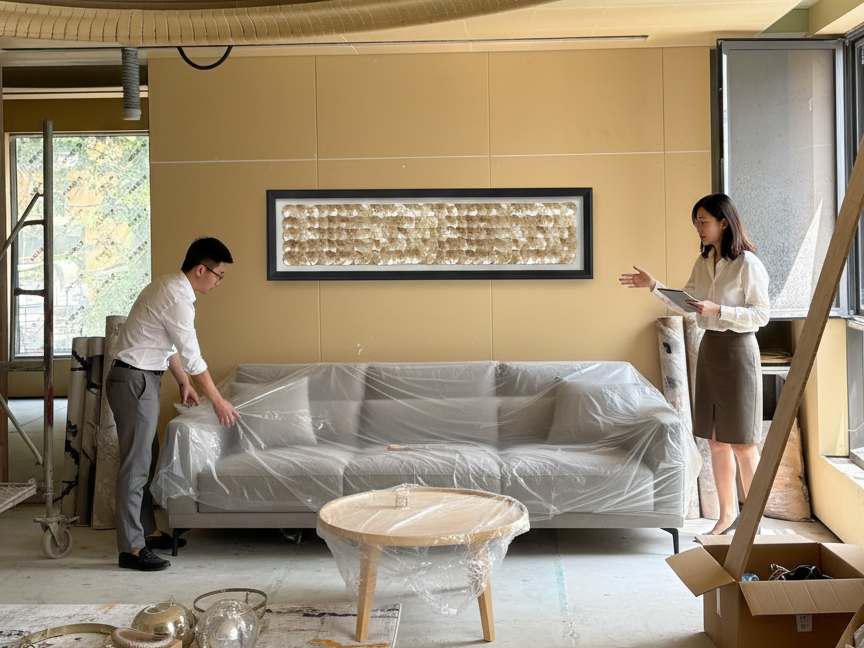
Large organic artworks are frequently used in homes. Even a plain canvas with natural curves or abstract waves can bring a room to life. These artworks are often the centerpieces of living rooms, lobbies, or corridors.
Another type is organic coastal art, which is based on the sea, beaches, and sea creatures. It captures running water, sandy textures, and coastal hues. This is an ideal choice for beach houses and coastal-themed rooms. Modern organic wall art has become a favorite in interior design, with many options that combine geometric and organic artwork.
What Is Traditional Decorative Art?
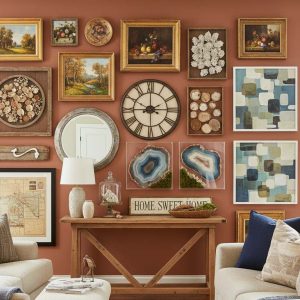
Traditional art is historically based, cultural, and rooted in conventional practices. It frequently involves realistic images of people, landscapes, or religious themes. The techniques employed by artists are centuries old, such as oil painting or fine drawing.
Many individuals use traditional wall art for decoration. These paintings are usually landscapes, portraits, or cultural symbols. They introduce timeless beauty into houses.
Another popular form is modern traditional wall art, which takes old themes and adapts them to new methods. For example, an artist might paint a historical figure but with brighter colors or a modern background.
Traditional art prints are also widely appreciated, as they make classic works more accessible. Instead of buying expensive original paintings, people can enjoy prints of famous traditional pieces. One of the most respected forms is traditional wall art painting, created with skill and attention to detail.
Key Differences Between Organic and Traditional Art
Feature | Organic Artwork | Traditional Artwork |
Inspiration | Nature, flowing forms, abstract shapes | History, culture, religion, realism |
Shapes | Curves, irregular lines, textures | Symmetry, perspective, structured forms |
Feeling | Calm, alive, natural | Formal, cultural, timeless |
Materials | Watercolors, inks, clay, modern mediums | Oil paints, canvas, wood panels |
Decor Use | Modern homes, coastal themes, minimal spaces | Classic homes, offices, heritage spaces |
Popular Styles | Organic modern artwork, organic coastal artwork, modern organic wall art | Traditional wall art painting, traditional art prints, modern traditional wall art |
Why People Choose Organic Artwork
Organic art is preferred because it gives life to spaces and makes them peaceful. A large organic piece may serve as the focal point of a room. Coastal-inspired designs bring the sea indoors. Abstract organic drawings create an impression of flow and balance.
Organic art also fits well in contemporary houses, bringing warmth to minimalistic spaces. A plain wall can be made more welcoming with modern organic wall art.
Why People Choose Traditional Artwork
Many individuals prefer traditional art because it connects them to the past and to culture. An old-fashioned painting on the wall can remind them of heritage, values, or important stories.
They can admire the works of well-known artists at a low cost through traditional art prints. Contemporary traditional artworks also allow people to incorporate classic themes in modern homes without losing their authenticity.
Conventional styles are usually regarded as timeless. They are especially appropriate for formal areas such as offices, dining rooms, and libraries.
Blending Both Styles
Organic and traditional art are often combined in the same space by interior designers. For example:
- A piece of modern organic wall art can hang above a sofa, while a traditional wall painting can decorate the dining room.
- An organic art drawing in the hallway can create freshness, while traditional art prints in the office add formality.
A seaside house might combine organic coastal paintings with modern traditional wall art to balance the old and the new.
This combination makes spaces both contemporary and heritage-inspired.
Final Thoughts
Both organic and traditional decorative art have value. Organic artworks inspire with their flowing natural forms, while traditional art grounds us in history and culture.
You may choose geometric and organic artwork for contrast, or traditional wall art painting for classic beauty — each adds meaning to your space. The choice depends on the mood you desire. Get high-quality wall art at the most affordable prices from ADS.