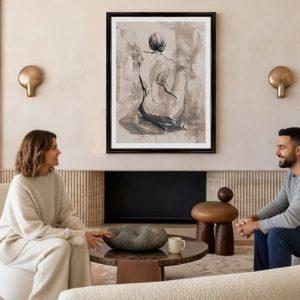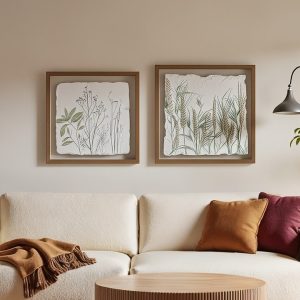

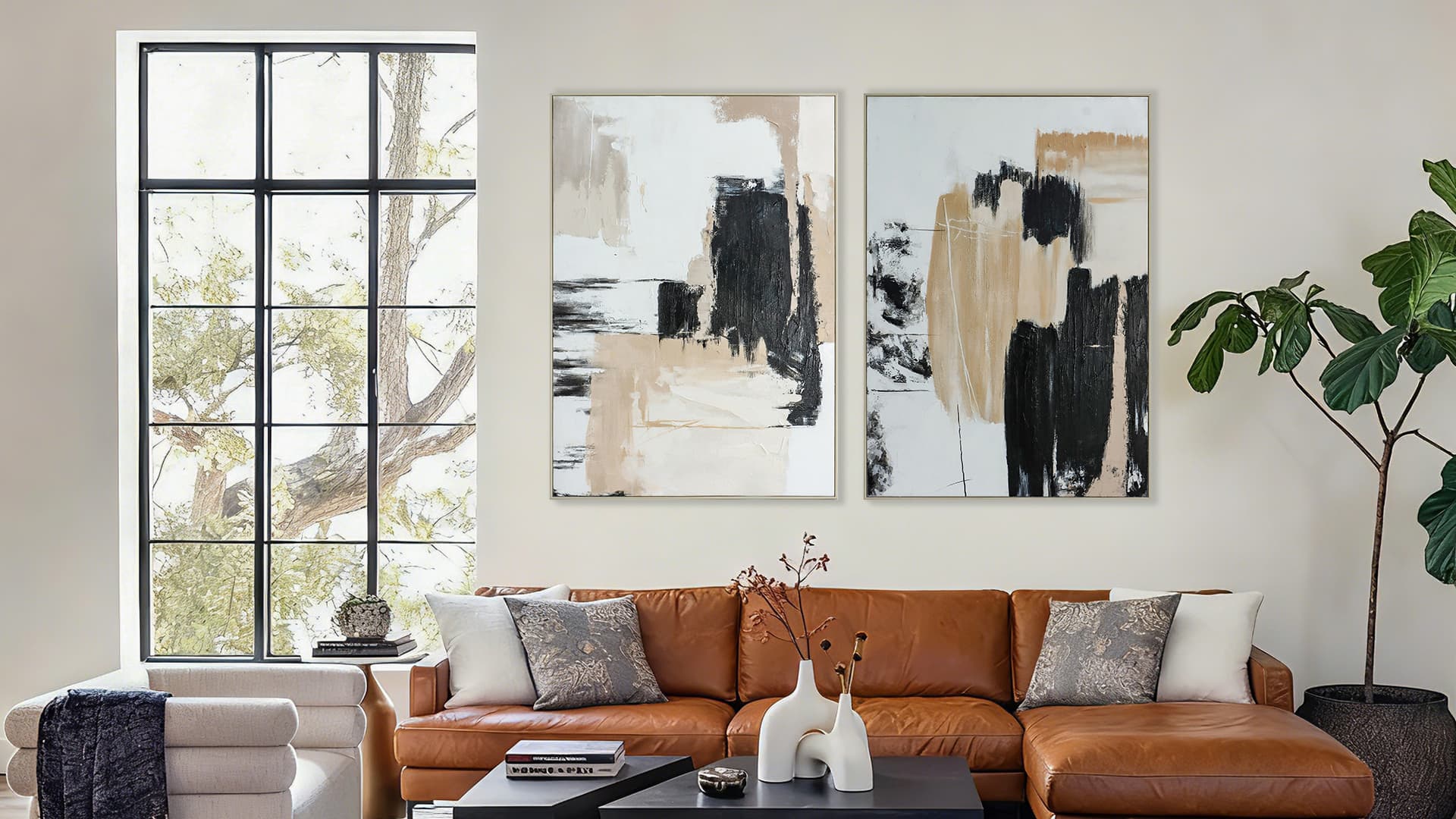
Art has always been about experimentation, including experimenting with materials, forms, and emotional expression. Mixed media artwork is one of the most interesting manifestations of this exploration in recent years. Artists use a combination of various materials and methods to create depth, texture, and visual interest through layered compositions rather than traditional single-medium paintings. Mixed media canvas art is one of its many forms, offering a tactile experience that appeals to both the eye and the hand.
Finding the Mixed Media Art
At its most fundamental level, mixed-media art is a technique in which several artistic materials are used in a single piece. It is an imaginative practice that allows creative freedom. A painting can incorporate acrylics, ink, collage, fabric, and even found objects. Artists mark and layer these components to create visual effects and emotional nuances that cannot be produced through a single medium.
Mixed media artworks thrive on experimentation. Whether created on paper, wood, or canvas, each layer tells a story that can be both seen and felt. This is why mixed-media canvas artwork is a popular choice for contemporary interiors and for people who value originality and handcrafted aesthetics.
The Role of Materials in Mixed Media Art
The beauty of mixed media art lies in the diversity of materials. Artists are no longer limited to brushes and paints; they use a wide range of elements to enrich the composition. Common materials include:
- Acrylics and Watercolors: Used to create a visual foundation with vibrant or muted tones
- Cloth and Textile: Adds tactile depth, ideal for fabric-based mixed media art
- Paper and Collage Layers: Provide structure, symbolism, and contrast
- Foils and Pastes: Produce highlights and reflective richness
- Natural Elements: Sand, leaves, and wood chips that give the artwork an organic appearance
The combination of these elements gives mixed media canvas art its unique appeal, a balance of controlled composition and expressive spontaneity that invites both contemplation and touch.
The Role of Materials in Mixed Media Art
To master the craft, artists employ various mixed media techniques that allow each material to retain its uniqueness while contributing to a unified composition. Important methods include:
- Building textured surfaces using paint, texture paste, and collage to create visual and physical depth
- Impasto, which uses thick strokes or gels to create volume, as seen in textured canvas art
- Collage combinations using printed materials, photographs, or fabric patches to form narrative layers
- Revealing underlying colors and layers to evoke a sense of history
- Incorporating everyday items like thread, metal pieces, and paper fragments to enhance originality
Using these techniques, artists create 3D mixed media art, works that feel sculptural and alive and can be appreciated from multiple viewpoints.
The Dimensional Beauty of 3D Mixed Media Art
In 3D mixed media art, the canvas becomes more than a flat surface. Artists layer materials that physically extend outward, producing shadows and highlights that shift with lighting and perspective.
This dimension transforms the artwork into a sculptural form, ideal for spaces that require visual and tactile richness. By combining materials such as fabric, plaster, or modeling paste, the artwork gains realism and a tactile presence. This form of art communicates on a physical and emotional level, appealing to viewers who appreciate texture as much as imagery.
The Warmth of Fabric in Mixed Media Art
Fabric mixed media art brings warmth, movement, and softness to a composition. Artists often incorporate linen, silk, or cotton into mixed-media canvas art to create contrast with coarser materials like paint or plaster.
These fabrics can be stitched, glued, or embedded into layers of paint to create an intimate, handcrafted touch. The combination of fiber and pigment resembles natural forms such as waves, folds, or creases, giving the surface an organic motion. Fabric also conveys human delicacy and touch, drawing viewers emotionally toward the artwork. It is an excellent blend of tactile comfort and visual beauty.
Textured Canvas Art
Mixed-media canvas art begins with the canvas as its foundation. By using thick gels, pastes, or natural materials, artists can transform a plain surface into a textured landscape. Three-dimensional canvas art focuses on creating depth even before color is applied.
Once layered, the surface responds to paint differently, reflecting light in ways that create subtle shifts in tone and shadow. These variations form the basis of the layered complexity characteristic of mixed-media art.
Common methods for achieving texture include:
- Using palette knives to apply gesso and color pastes
- Embossing fabric or stencils onto wet mediums
- Sprinkling sand or creating coarse brush strokes to build grit
The resulting surface appears alive, changing as it is viewed from different angles and distances.
Contemporary Mixed Media in Interior Design
Mixed-media canvas art has become increasingly popular among interior designers and art enthusiasts. Its layered surfaces and tactile depth complement minimalist, industrial, and contemporary interiors.
Whether displayed in living rooms, hallways, or workspaces, textured canvas artwork not only enriches visual appeal but also provides a sensory experience. The shifting qualities of the layers allow the piece to adopt different personalities under varying lighting conditions, sometimes bold and sometimes subtle. For collectors seeking something new, 3D mixed media art offers a fresh alternative to traditional wall paintings, transforming spaces into expressive environments.
Conclusion
Mixed media and textured canvas paintings encourage deeper creative exploration. Through mixed media art materials, fabric-based mixed media art, and 3D techniques, artists construct worlds that invite both sight and touch. Every technique, from layered collage to impasto brushwork, contributes a narrative, a memory, and an emotional resonance.
Mixed media art captures the dialogue between materials and the beauty of layered craftsmanship in ways traditional media cannot. Whether minimalist or richly textured, this genre continually redefines how we create and experience art. Team up with ADS to see how we bring color into every corner of your world.