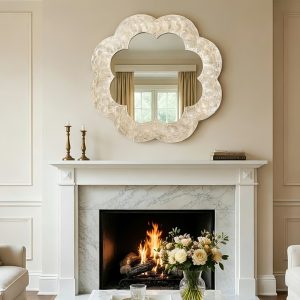

Wall art decor in 2026 goes beyond simply filling empty walls. It has become a core design element that reflects lifestyle choices, emotional well-being, and personal identity. As interior design shifts toward comfort, sustainability, and sensory appeal, consumers are actively investing in wall art that feels tactile, calming, and meaningful. For retailers, success hinges on understanding how styles, sizes, materials, and buying behaviours are evolving. This article explores the latest wall art decor trends for 2026, focusing specifically on what customers actually want to buy and bring into their spaces.
Key Wall Art Trends for 2026
Wall art decor is evolving at a rapid pace. Consumers are moving away from generic mass-produced designs and toward art that feels personal, natural, and authentic. These trends reflect a growing demand for calm interiors, nature-inspired elements, and handcrafted aesthetics that add soul to a space.
1. Tactile and 3D Wall Art
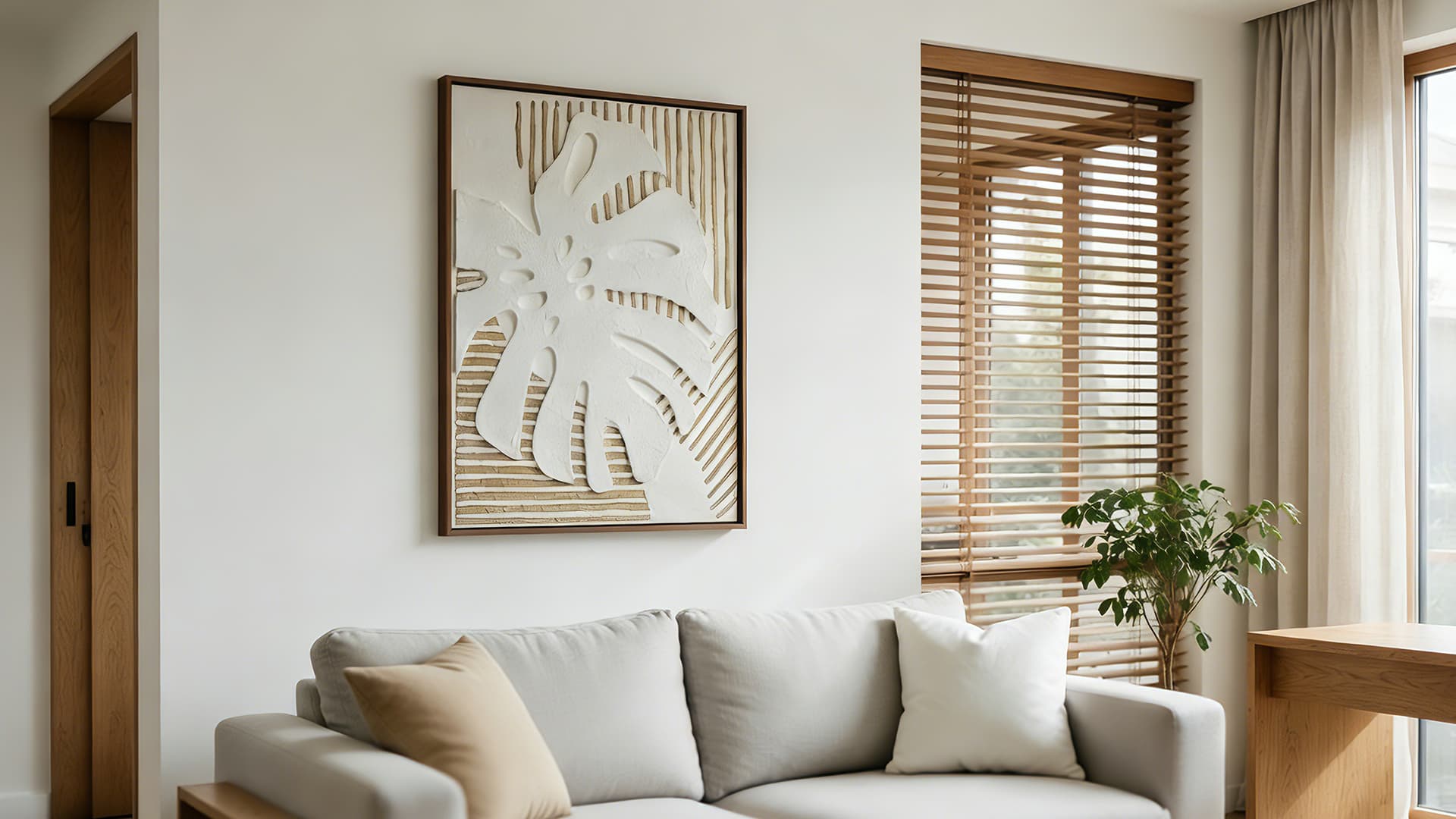
Flat wall art is gradually losing its appeal. In 2026, textured and three-dimensional art are taking center stage. Consumers want wall pieces they can feel, not just view. Artists are increasingly using materials such as plaster, ceramics, ash, tin, and mixed industrial elements to create rich textures and sculptural forms with unique character.
Many 3D artworks change appearances depending on lighting and viewing angles, giving them a dynamic, almost living quality. This trend highlights a shift away from perfectly polished machine-made designs to handmade, authentic art that adds warmth and personality to interior spaces.
2. Biophilic and Nature-Inspired Designs
Nature-inspired wall art remains one of the strongest and most enduring trends in 2026. Designs rooted in plants, landscapes, and organic forms help reduce stress while enhancing creativity and emotional well-being in any room.
Popular options include botanical murals, intricate leaf motifs, natural tactile textures, and landscape-inspired silhouettes. Earthy color palettes featuring soft greens, warm beige tones, and natural wood browns help create calm, grounded interiors that feel connected to the outdoors. These designs bring organic elements of the outside world inside, resulting in peaceful and refreshing living and working spaces.
3. Oversized Statement Art
Large-scale wall art continues to be a beloved choice in 2026. Rather than filling walls with multiple smaller pieces, consumers are increasingly opting for a single oversized artwork that becomes the undeniable focal point of the room.
Oversized statement art works particularly well in modern and minimalist interiors, where negative space is celebrated. A bold, large-scale piece can instantly define the mood of living rooms, home offices, or dining areas. Designers often recommend placing one large artwork on a feature wall and allowing it to stand alone for maximum visual impact and aesthetic cohesion.
4. Sustainable and Natural Materials
Sustainability is no longer a choice but a non-negotiable expectation for consumers. In 2026, shoppers are increasingly choosing wall art crafted from eco-friendly and responsibly sourced materials. Reclaimed wood, recycled metal components, and low-impact water-based inks are now widely used across the industry.
Natural fibers such as cotton, wool, and hemp are also gaining significant popularity due to their fully renewable and biodegradable qualities. This trend reflects a growing global environmental awareness, with many buyers actively supporting brands that demonstrate genuine, actionable care for the planet.
5. Earthy and Rich Color Palettes
Color trends for wall art in 2026 are moving away from stark white backdrops toward deeper, warmer earth tones that feel inviting and organic. Popular shades include warm ochre, terracotta, muted moss green, soft clay red, smoky jade, and rich mahogany.
These hues feel inherently organic and calming, helping to create cozy yet elegant interiors for both residential and commercial spaces. They also provide a comforting balance to the fast-paced, digitally driven nature of modern daily life.
Customer Preferences and Purchasing Behaviours
Today’s wall art buyers care about far more than aesthetics alone. Ease of use, meaningful personalization, and innovative functional features play a significant role in their purchasing decisions, making the decorating process simpler and more enjoyable.
1. Easy and Flexible Installation
Convenient, damage-free installation has become a top priority for all buyers. While many consumers still follow the traditional guideline of hanging artwork at eye level (approximately 57 inches from the floor), there is a growing demand for solutions that avoid permanent wall damage.
Both renters and homeowners are opting for picture rails, heavy-duty adhesive hooks, or leaning their artwork against walls for a relaxed, casual aesthetic. Peel-and-stick wall art has gained massive popularity for its fully removable, mess-free application. Additionally, some wall art is now offered in modular panels that are easy to install using only basic tools such as a tape measure and a spirit level.
2. Customization and Personalization
Personalized wall art is no longer a luxury but an expected staple in modern home decor. Many consumers are willing to pay a premium for pieces that feel unique, personal, and tailored to their taste. Popular customization options include selecting custom sizes and color palettes, uploading personal photos or original artwork, and adding meaningful names, dates, or handwritten text.
Shoppers are increasingly seeking wall art that tells their unique story, turning away from generic mass-produced designs that lack character. Many online platforms now allow users to transform personal images or even AI-generated designs into one-of-a-kind wall art pieces with just a few clicks.
3. Smart and Data-Driven Customization
Technology continues to reshape how consumers discover and purchase wall art. Brands are leveraging browsing and purchase data to curate personalized design recommendations that align with individual tastes, helping customers find suitable options more efficiently and with less decision fatigue.
Some modern wall art also incorporates innovative interactive features. For example, augmented reality allows users to scan artwork with their smartphones to reveal subtle animations or additional contextual visuals. Other pieces use NFC technology, enabling users to tap the artwork to access exclusive digital content such as the artist’s story or behind-the-scenes creation process. These innovations transform wall art from a static decorative object into an engaging interactive experience.
Retailer Strategies
Retailers aiming to capitalize on the current wall art decor trends must adopt strategic approaches that align with evolving consumer expectations. Successful brands are enhancing the customer experience and driving consistent sales through the following targeted methods.
1. Incorporate Technology into the Shopping Journey
Many forward-thinking retailers are leveraging technology to help customers shop with greater confidence and ease. Augmented reality (AR) tools let buyers visualize exactly how a piece of wall art will look in their own spaces before making a purchase, reducing uncertainty and increasing trust in the product.
E-commerce platforms such as Shopify make it simple for art sellers to integrate AR features into their online stores with minimal technical effort. In physical retail environments, touchscreens and interactive displays allow customers to explore the full range of products, view intricate details up close, and visualize designs in real time against different wall colors. Some brick-and-mortar stores even feature dynamic artwork that responds to movement, creating a more engaging and memorable in-store shopping experience.
2. Focus on Versatile Modular Designs
Flexibility and adaptability are increasingly important to modern buyers who value long-term usability. Modular wall art systems empower customers to mix, match, reposition and rearrange pieces with effortless ease.
These systems are exceptionally well-suited for homes, home offices, and commercial shared spaces alike. They minimize waste, simplify installation and rearrangement, and adapt seamlessly to changing design needs over time. By offering well-crafted modular solutions, retailers can appeal to discerning consumers looking for durable, versatile wall art options that grow with their space.
3. Prioritize Sustainable Packaging
Eco-friendly, plastic-free packaging has become an industry standard and a basic consumer expectation. Retailers are now expected to use only environmentally responsible materials such as recycled paper and cardboard, biodegradable glassine bags, and compostable plant-based packaging for all wall art products.
For in-store purchases, recycled paper gift bags and FSC-certified tissue paper help protect artwork during transport while reinforcing the brand’s sustainability efforts. Many leading retailers now adhere to the “Five Rs” principle: Refuse, Reuse, Reduce, Repurpose and Recycle. This holistic approach minimizes waste across the supply chain and strengthens a brand’s genuine commitment to environmental responsibility.
Conclusion
Wall art decor in 2026 reflects a clear and definitive shift toward meaning, sustainability, and sensory comfort. Consumers favor tactile textures, nature-inspired designs, oversized statement pieces, and eco-friendly materials, while also expecting seamless easy installation and highly personalized options. Retailers that fully embrace technology, modular design systems, and sustainable end-to-end practices are well-positioned to stand out in an increasingly competitive market. Brands that understand these evolving preferences can curate and deliver wall art that feels personal, calming, and genuinely valuable to today’s discerning buyers.